
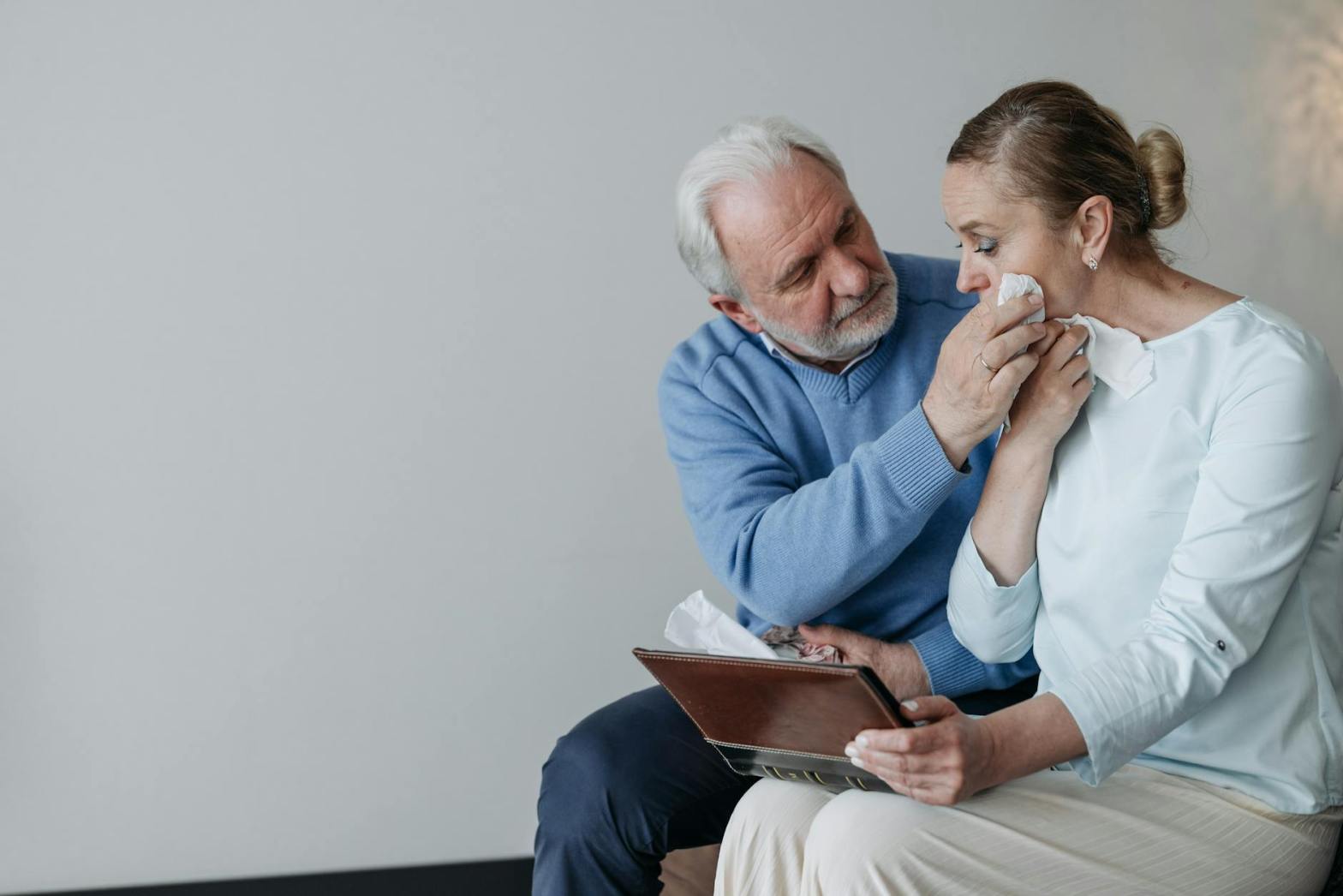
Complex bereavement/grief is grief that transitions into a state of prolonged, disabling emotional suffering, interfering with daily life and identity. In contrast to “ordinary grief“, which gradually shifts toward acceptance and integration, complex grief can trap someone in an ongoing cycle of distress, rumination, avoidance, and functional impairment.
Signs of Complex bereavement include:
- Persistent yearning or longing for the deceased
- Preoccupation with the circumstances of the death (guilt, what-ifs)
- Difficulty accepting the loss and envisioning a future
- Emotional dysregulation: high levels of anguish, anger, numbness
- Avoidance and withdrawal from reminders or social life
- Functional impairment in work, relationships, self-care
- Coexisting conditions: depression, anxiety, PTSD symptoms may overlap
In the clinical literature, Prolonged Grief Disorder (PGD) is increasingly used as the formal diagnosis for this condition (e.g. in ICD-11). Complex bereavement is thus a grief reaction that fails to resolve in time and causes significant disruption.
How Many People Experience Complex bereavement? UK & International Evidence

Estimating the rate for complex grief is challenging because definitions, measurement tools, and study populations vary. However, research gives a useful estimates and insights:
- In pre-COVID contexts, approximately 10% of bereaved people were estimated to develop complicated grief / prolonged grief (i.e. grief that does not follow a normal recovery trajectory).
- Research from the UK during the COVID-19 pandemic suggests much higher rates: in one longitudinal UK study, 35% of those bereaved during the pandemic met criteria for PGD 13 months post-loss, dropping to 29% at 25 months post-loss.
- A cross-national meta-analysis indicates that Prolonged Grief Disorder (PGD) otherwise known as Complex bereavement prevalence varies across countries, with pooled estimates often in the 9–12% range, but reaching higher in specific subgroups (e.g. traumatic, sudden losses).
- The psychological burden of bereavement is also substantial: a recent UK study examined loss-related factors and mental health outcomes, showing that grief severity is significantly associated with depression, anxiety, and reduced quality of life.
- In a national survey of bereavement in the UK, over a quarter of respondents (28%) said they received no support from family, and nearly half (46%) reported no support from friends after bereavement.
- Public attitudes studies (e.g. Marie Curie’s “Public Attitudes to Death, Dying and Bereavement Revisited 2023”) reveal that many people feel uncomfortable seeking help: 12% of respondents reported they would feel uncomfortable approaching bereavement services.
In Summary: in the UK, while the “10% rule” is often cited, evidence suggests the proportion experiencing complex grief may rise sharply after traumatic or pandemic-era losses.
Why Grief Becomes Complex: Risk & Contributing Factors
Not everyone who grieves deeply develops complex bereavement. Several risk factors increase vulnerability:
- Nature of the death: sudden, violent, ambiguous, or multiple losses raise risk.
- Relationship closeness: losing a spouse, child, or someone central to identity.
- Pre-existing mental health conditions: depression, anxiety, trauma history.
- Attachment style and coping: insecure attachment, rumination, avoidance.
- Lack of social support: isolation or stigma make processing grief harder.
- Secondary stressors: financial burden, legal/forensic proceedings, caregiving, unresolved conflicts.
- Lack of rituals or closure: no funerals, no farewells, cultural disruption.
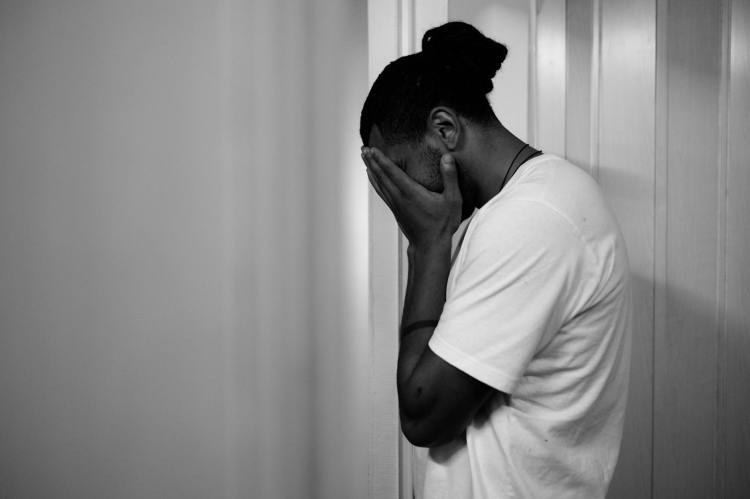
“No one ever told me that grief felt so like fear.” C. S. Lewis
Signs You or a Loved One May Be Experiencing Complex Bereavement
It can be hard to tell when grief is becoming complicated. Here are red flags to watch for (especially if they persist beyond 12–18 months):
- Persistent, intense yearning that doesn’t ease
- Preoccupation with guilt, self-blame, “what ifs”
- Inability to accept the loss or to imagine life without the deceased
- Emotional numbing, avoidance of reminders
- Social withdrawal or isolation
- Sense of meaninglessness or emptiness
- Severe impairment in daily functioning (work, relationships, self-care)
- Co-occurring symptoms of depression, anxiety, PTSD
- Suicidal thoughts or hopelessness
If several of these features are present, seeking specialist counselling or assessment is advised.
How Counselling & Therapeutic Support Can Help
Complex bereavement is treatable. While grief cannot be “fixed,” counselling offers pathways to reintegrate loss and reengage with life. Some of the main therapeutic modalities:
- Complicated Grief Therapy (CGT): an evidence-based model combining grief work, exposure, cognitive techniques, and behavioural activation.
- Trauma-informed therapy / EMDR: especially useful when death was traumatic or violent.
- Narrative / meaning-making work: helping the bereaved reconstruct identity, meaning, and memory integration.
- Grief companioning / presence-based support: the counsellor offers a safe, non-coercive presence rather than pushing for “closure.”
- Group or peer support: sharing stories validates experience and reduces isolation.
- Psychoeducation & self-help tools: mindfulness, grounding, expressive writing, ritual, pacing.
- Longitudinal care & relapse planning: grief is rarely “over” but can be carried adaptively.
“Healing isn’t about forgetting — it’s about creating a life where loss has its place rather than its prison.” Anonymous.
At Grief Matters Southwark, we draw on these models and integrate them in a compassionate, paced, trauma-aware way. We emphasise safety, client agency, ritual, and narrative as core components.
Localising Complex Bereavement for Southwark Communities
While the UK research paints broad strokes, localities like Southwark have particular dynamics:
- Urban life, community diversity, socio-economic stress, and higher exposure to sudden or violent losses can heighten risk.
- Cultural attitudes to grief and mental health vary across communities; some may stigmatise seeking help.
- Local partnerships (GPs, churches, community centres) are essential referral pathways.
- Grief Matters Southwark can become a trusted safe space where people from diverse backgrounds feel heard and represented.
By embedding complex bereavement support in the local context, our services become more accessible, culturally responsive, and effective.
Call for Support
Complex bereavement is not a failure , but it is a call for deeper support. If you or someone you care for is facing grief that remains disabling, overwhelming, or isolating far beyond expectation, specialist counselling and support can help.
You don’t have to carry grief alone.
Healing does not mean forgetting , it means integrating the loss into life.
At Grief Matters Southwark, we are here to walk beside you as you navigate this journey.
 Grief Matters Southwark