
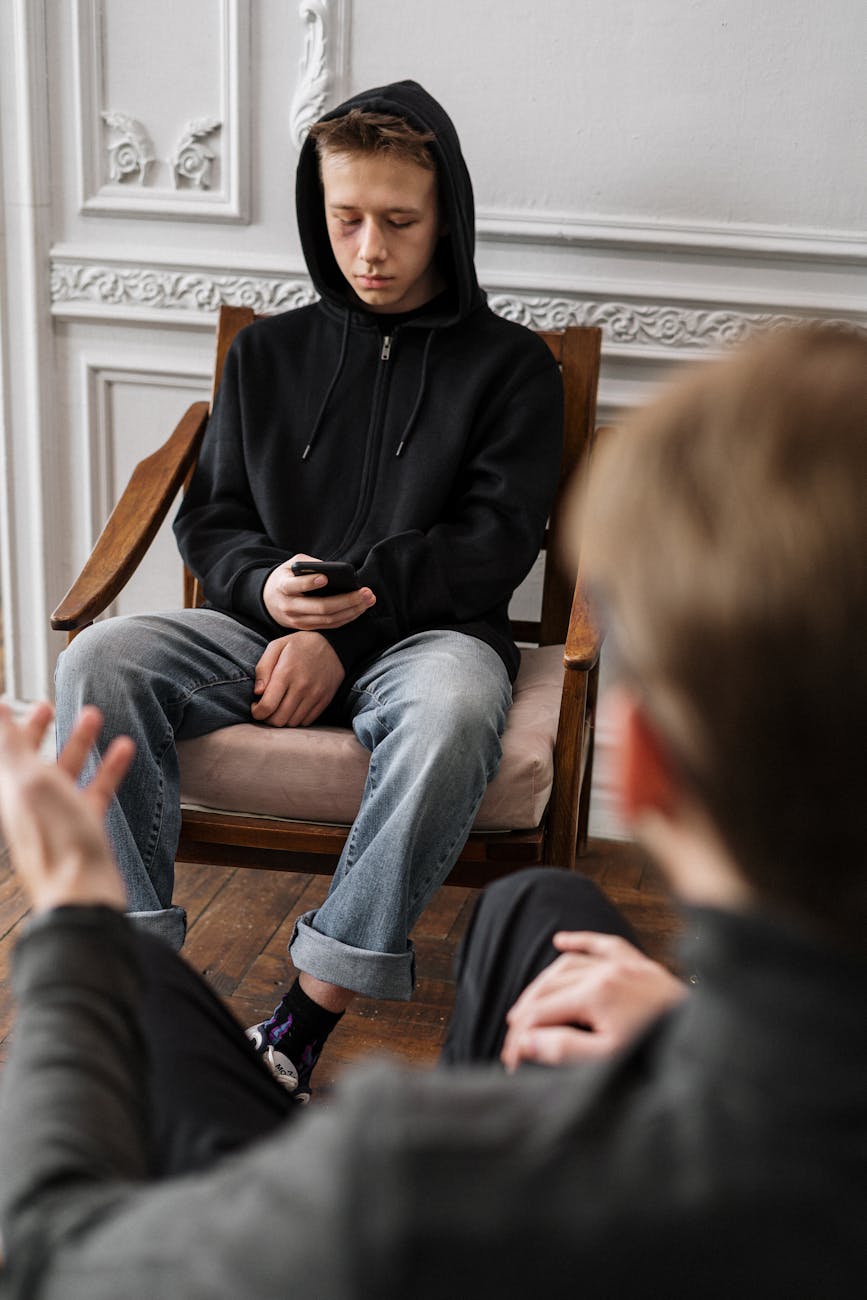
Grief and bereavement are some of the most profound human experiences. The death of a loved one whether sudden or expected can leave a lasting mark, affecting emotional health, relationships, and daily functioning. For many, talking through their pain with a professional counsellor provides a safe pathway to healing. Yet one of the biggest barriers people face when seeking help is cost. Counselling services can be expensive, and those already struggling emotionally may feel financial pressure as another burden to carry.

That is why low-cost counselling services for bereaved people are essential. These services offer accessible support, ensuring that individuals experiencing grief and bereavement can receive the care they need, regardless of financial situation.
In this article, we’ll explore the importance of counselling after loss, why affordability matters, and how communities can support and expand low-cost bereavement counselling services.
Understanding Grief and Bereavement
What is Grief?
Grief is the natural response to loss. It affects people in different ways: emotionally, physically, spiritually, and socially. It can manifest as sadness, anger, guilt, confusion, or even numbness. Some people withdraw from daily life, while others throw themselves into activity as a distraction.
Grief is not a one-size-fits-all process. While some may begin to feel more stable after a few months, others may find their grief intensifies over time. It is deeply personal, and there is no fixed timeline for “moving on.”
Bereavement vs. Grief
While the terms are often used interchangeably, bereavement refers specifically to the period after someone has lost a loved one, whereas grief describes the emotional and psychological process of coping with that loss. Bereavement is the situation; grief is the reaction.
Why Grief Can Be Overwhelming
The death of a loved one can shake every foundation in a person’s life. Bereavement can trigger:
- Emotional struggles: sadness, loneliness, anger, anxiety, or even depression.
- Physical symptoms: fatigue, disrupted sleep, changes in appetite, or lowered immunity.
- Social difficulties: isolation, strained relationships, or difficulty relating to others who haven’t experienced similar loss.
- Practical pressures: financial strain, legal responsibilities, and major lifestyle adjustments.
Because of these challenges, professional counselling services often play a crucial role in helping bereaved individuals find stability again.
Why Counselling Matters After Bereavement
A Safe Space to Talk
In times of grief, family and friends may offer comfort, but many bereaved people feel hesitant to share their deepest emotions with loved ones for fear of “being a burden.” A counselling service provides a safe, confidential environment where individuals can express themselves without judgment.
Professional Support
Grief counsellors are trained to recognise complicated grief, depression, or trauma that may arise after bereavement. They can help clients process emotions, develop coping strategies, and gradually rebuild their sense of purpose.
Preventing Long-term Mental Health Issues
Unresolved grief can lead to long-term challenges such as depression, substance misuse, or anxiety disorders. Early access to bereavement counselling services can act as a preventative measure, reducing the risk of these issues escalating.
Guidance for Special Circumstances
Not all bereavement is the same. The grief of losing a child, a partner, or someone through sudden death, suicide, or violent circumstances can be especially complex. Counsellors provide tailored approaches for these different forms of grief.
The Challenge: Cost of Counselling Services
Standard Counselling Fees
Counselling often costs between £40 to £80 per session, depending on the provider and location. For bereaved people who may already face financial instability such as after losing the main breadwinner this cost can be overwhelming. Our counselling service at Grief Matters Southwark we are highly sensitive towards charging for our charges, we consider individual level of income , with a flexible scale to accommodate low-income individuals.
Limited Access Through Public Services
While some free bereavement counselling services exist (for example, through charities, hospices, or the NHS), waiting lists can be long. For individuals in immediate need, delays may exacerbate suffering.
Why Low-Cost Counselling Matters
Low-cost counselling services bridge this gap by offering affordable sessions on a sliding scale or reduced rate, often supported by charitable funding, community organisations, or volunteer counsellors in training. This model ensures that no one is denied essential grief support because of financial constraints.
The Impact of Low-Cost Counselling on Bereaved People
Restoring Emotional Balance
Access to affordable counselling can help bereaved people process emotions gradually, preventing grief from becoming overwhelming.
Reducing Isolation
Counselling services help individuals reconnect with others by addressing feelings of loneliness and encouraging healthy communication.
Promoting Resilience
Low-cost counselling empowers people to adapt to life without their loved one, fostering resilience and long-term emotional well-being.
Encouraging Equity in Mental Health Care
Affordable counselling services promote fairness by making grief support accessible to people of all income levels. Without them, bereavement counselling risks becoming a privilege available only to those who can afford private care.
How Communities Can Support Low-Cost Bereavement Counselling Services
1. Funding Charities and Local Organisations
Many bereavement counselling services are run by non-profit charities that rely on donations and grants. Community fundraising events, sponsorships, or corporate partnerships can provide vital resources.
2. Volunteering
Trained counsellors can volunteer time, while community members can help with administration, fundraising, or awareness campaigns. Every contribution makes a difference.
3. Encouraging Conversations About Grief
Breaking the stigma around grief and mental health helps more people feel comfortable seeking support. Schools, workplaces, and religious groups can all promote awareness.
4. Advocating for Policy Support
Government backing is critical to expand affordable counselling services. Advocating for policies that prioritise mental health funding and grief support ensures sustainability.
5. Supporting Counsellor Training Programmes
Many low-cost services rely on trainee counsellors who work under supervision. Supporting training programmes helps ensure a steady supply of professionals committed to helping bereaved people.
Practical Tips for Coping with Grief Alongside Counselling
While counselling services are invaluable, there are additional steps that can support bereavement recovery:
- Allow yourself to grieve: Accept that it is natural to feel a wide range of emotions.
- Build a support network: Lean on friends, family, or support groups.
- Take care of your body: Eating well, resting, and gentle exercise can support emotional health.
- Create rituals of remembrance: Plant a tree, write letters, or make a memory box to honour your loved one.
- Be patient with yourself: Healing after bereavement takes time.
At Grief Matter Southwark
Grief and bereavement touch every life, yet the support available is often shaped by financial circumstances. At Grief Matters Southwark we operate a sliding scale Low-cost counselling services for bereaved people , we understand Grief counselling is not a luxury, but a necessity, we provide comfort, resilience, and healing process for those navigating loss, regardless of income.
We recognise that communities, policymakers, charities, and individuals all have a role to play in supporting bereaved individuals. Whether through donations, volunteering, advocacy, or simply spreading awareness, we can help ensure no one has to grieve alone because they cannot afford help.
If you or someone you know is struggling with bereavement, know that you are not alone. Reach out to us today, for support, and remember: grief may change your life, but with care and counselling, healing is possible.
 Grief Matters Southwark